
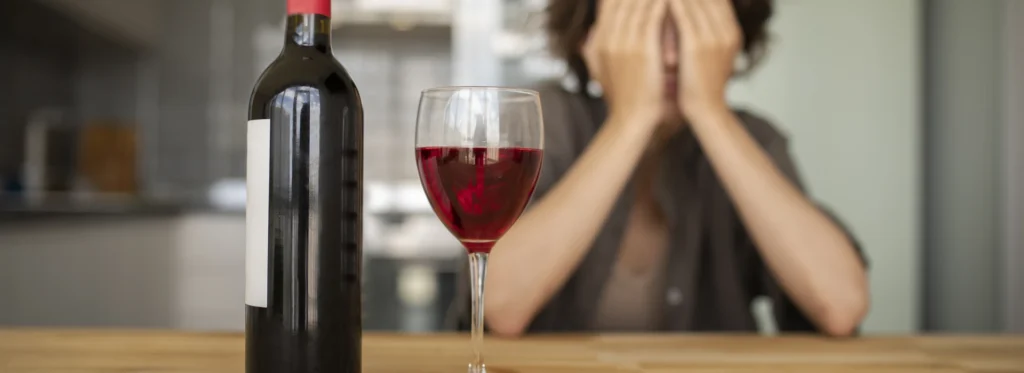
Drinking can quietly slip into your daily routine without you even realising it. Whether it’s a glass of wine to de-stress or a beer out of boredom – what starts off feeling harmless can, over time, take a real toll on your health, mood, and relationships.
The good news is that change is possible, and it can start right where you are. In this article, we’ll share simple, practical tips on how to stop drinking at home effectively.
How to Stop Drinking at Home Effectively
Learning how to stop drinking at home begins with small, consistent steps. With the right tools and support, you can create a healthier, more intentional routine within your own space. Here are some practical tips to help you get started:
Creating a Personal Plan
Set a clear, realistic goal, such as going alcohol-free for 30 days or only drinking on the weekends. Avoid vague intentions and write your plan down or share it with someone supportive to build accountability. A well-defined plan keeps you focused and prepared for any setbacks.
Identifying and Avoiding Triggers
Track your drinking habits to learn patterns. Note when cravings arise and what prompts them, like stress, boredom, or specific times of day. Use tools like journals or applications to stay aware. Recognising triggers lets you plan healthier responses and adapt your strategy as needed.
Cutting Back and Drinking Less
If quitting alcohol completely feels a little too much, you can start by drinking less. Use smaller glasses, buy single-serve bottles, or set clear limits before drinking. These gradual changes build self-awareness and give you more control without adding pressure.
Trying Alcohol-Free Drinks and Activities
Fill the time alcohol once occupied with new, engaging activities. Explore hobbies like cooking, exercise, reading, or meditation. Try alcohol-free drinks or mocktails to satisfy the ritual without the alcohol intake. Replacing old traditions with new habits makes change feel more natural.
Removing Alcohol from Your Home
Reduce temptation by removing alcohol from your immediate environment. Give away unopened bottles, skip the alcohol aisle in grocery stores, and remove it from your online cart. Even keeping bottles out of sight can help you avoid impulsive decisions and reduce alcohol intake.
Managing Cravings in the Moment
Cravings are temporary and manageable. Delay acting for 10 to 15 minutes, distract yourself with another activity, or drink a glass of water first. Keep non-alcoholic drinks such as tea or sparkling water nearby, so you always have an alternative ready when cravings arise.
Making Healthy Lifestyle Changes
A healthy lifestyle sustains your goal. Exercise regularly, eat a balanced diet, and maintain a sleep routine to boost your mood and reduce alcohol cravings. Spend your time doing meaningful activities with people who support you. Over time, these changes can replace alcohol’s role in your life.

Home and Herbal Remedies for Quitting Alcohol
If you’re looking for gentle, supportive ways to reduce or quit alcohol, herbal and home remedies can help ease the process. These strategies focus on healing your body, supporting your mood, and building resilience through easy, holistic practices:
Staying Hydrated and Nourished
Proper hydration helps the body recover from the harmful effects of alcohol. Aim for at least eight glasses of water daily, and consider herbal teas or diluted juices for variety.
Alcohol drains the body of nutrients, and you can restore balance with whole foods like lean proteins, leafy greens, whole grains, eggs, nuts, and beans. These support energy and mood by replenishing B vitamins and magnesium. Limit processed foods and sugar, which can trigger cravings.
Herbal Teas or Supplements
Certain herbs may support your recovery journey. Kudzu flower has been studied for its potential to reduce alcohol cravings. Ashwagandha may help manage stress and promote calm, while milk thistle, rich in the active compound silymarin, is often used to support liver function.
St. John’s Wort is sometimes used for mood regulation, but it can interact with medications and should never be combined with alcohol. Always consult a healthcare provider before using herbal supplements, especially if you’re taking medications or have underlying health conditions.
Meditation and Mindfulness
Mindfulness offers effective coping mechanisms to reduce stress and curb the urge to drink. Holistic techniques such as deep breathing, body scans, and guided meditation calm the nervous system while boosting self-awareness and emotional balance.
With regular practice, mindfulness strengthens an individual’s ability to pause, observe cravings without reacting, and make more intentional choices, especially in moments of distress or temptation.
Reaching Out and Staying Connected
You don’t have to navigate recovery alone. Staying connected with trusted people can provide essential encouragement, accountability, and emotional support. Here are some meaningful ways to build and maintain those connections:
Talking to People Around You
If you live with others, share your goals and ask for their support. Even if they still drink, they can help by keeping alcohol out of sight and joining in sober-friendly activities. If you live alone, regular calls or check-ins with friends can offer motivation, connection, and a sense of accountability.
Joining Support Groups
Support groups, both online and in-person, offer guidance, encouragement, and shared experience. Peer-led groups like Alcoholics Anonymous and SMART Recovery provide structured programs, group meetings, and helpful resources to remind you that you’re not on your own.
Knowing When to Seek Medical Advice
If you’ve tried cutting back and experience withdrawal symptoms like shaking, sweating, nausea, or insomnia, it’s important to speak with a doctor. These can be signs of alcohol dependence, and quitting without medical supervision may be unsafe.
A GP can assess your situation, offer medication or treatment plans, and refer you to safe home detox services, outpatient programs, or inpatient rehab if necessary.
Accessing Therapy or Counselling
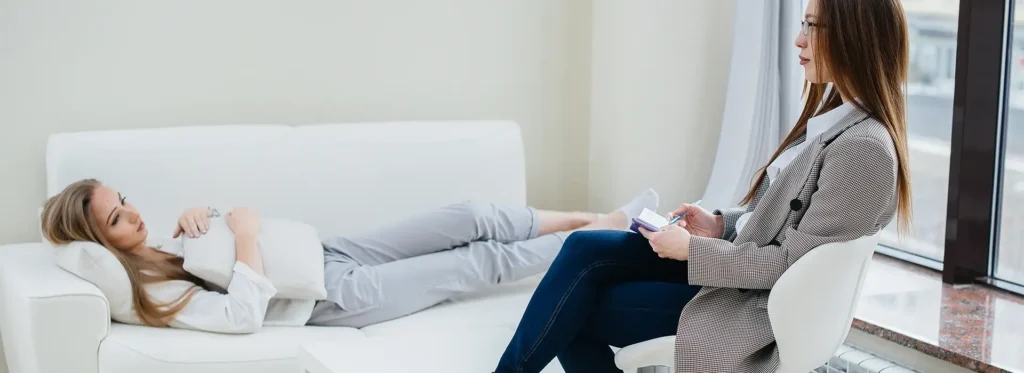
If you’re struggling to manage alcohol use, have developed a dependency, or simply need someone to talk to, speaking with a therapist can be a helpful step. Therapy can explore the reasons behind your drinking and offer coping skills to manage cravings, triggers, and stress more effectively.
A counsellor may recommend involving family members in sessions to rebuild trust, improve communication, and support recovery without encouraging enabling behaviours.
Want to Stop Drinking Alcohol?
If you or a loved one is struggling with alcohol use or needs support for alcohol addiction, we’re here for you. We offer a private, medically supervised home detox, supported by personal coaching, full-time monitoring, and a comprehensive aftercare programme.
You’re not alone, and you don’t have to be. With us, you’re heard, supported, and genuinely cared for. Reach out today to learn more about how we can help you on your recovery journey.
Frequently Asked Questions
What are effective strategies for reducing alcohol consumption at home?
Start by keeping alcohol out of the house, tracking your intake, and telling a trusted person about your goals. Planning meals and stocking non-alcoholic drinks can also make it easier to cut back.
Can you suggest any support groups for individuals trying to quit drinking?
Drinkline and Drinkchat offer free, confidential help online or by phone. For in-person or peer support, you can try Alcoholics Anonymous or the NHS alcohol services.
What role does setting a drinking limit play in alcohol cessation?
Having a set limit helps you stay on track and monitor progress. It supports gradual reduction or quitting altogether, depending on your goal.
How can one handle social pressure to drink while at home gatherings?
Let others know your plans, offer alcohol-free options, and shift the focus to healthy food or enjoyable activities. A simple, polite "no thanks" can also go a long way.
What are some alcohol-free activities that can replace drinking at home?
Explore new hobbies, such as cooking, exercising, or try something creative. Replacing alcohol with positive activities you enjoy helps build better routines.
How does one deal with withdrawal symptoms when giving up alcohol?
Mild symptoms usually improve in a few days, but severe ones, such as hallucinations or a dangerously rapid heartbeat, need medical attention. Expert supervision is a must.